Introduction to Sea Defences
This resource has been designed to help learners understand what sea defences are, why they are needed, and the different types used.
What are sea defences?
Sea defences protect coastlines from erosion, flooding, longshore drift, and storm damage.
Coastal erosion:
The hydraulic power of destructive waves break down rocks over time - constantly changing the shape of coastlines.
Further damage is done to the coastline via abrasion of particles in the water scraping against the rocks, slowly wearing them down.
Flooding:
With rising sea levels, coastal flooding is becoming more prevalent and destructive.
Longshore drift:
Longshore drift moves sediment along the coastline. Over time, this can strip sand from beaches, expose the land behind them, and reshape harbour entrances. Without sea defences, longshore drift can make navigation difficult, increase erosion, and change the shape of the coastline in ways that affect people and businesses.
Storm damage:
Storm waves are much more powerful than everyday waves. They can erode beaches, damage coastal structures, and push water far inland. As storms become more frequent and intense, coastal towns need protection to reduce the impact of these events.
What are sea defences?
Coastlines are constantly changing. Waves, tides, storms and longshore drift all reshape the shore, sometimes slowly and sometimes dramatically. Sea defences are structures or techniques used to protect coastal areas.
Different places need different types of protection depending on their landscape, the strength of the waves, and what needs to be protected.
Sea defences fall into two main categories: hard engineering and soft engineering.
Hard engineering:
Man-made long-term solutions to coastal management.
These are usually more expensive and can affect the ecosystem, but they provide strong protection.
Click on the button below to see examples of hard engineering solutions.
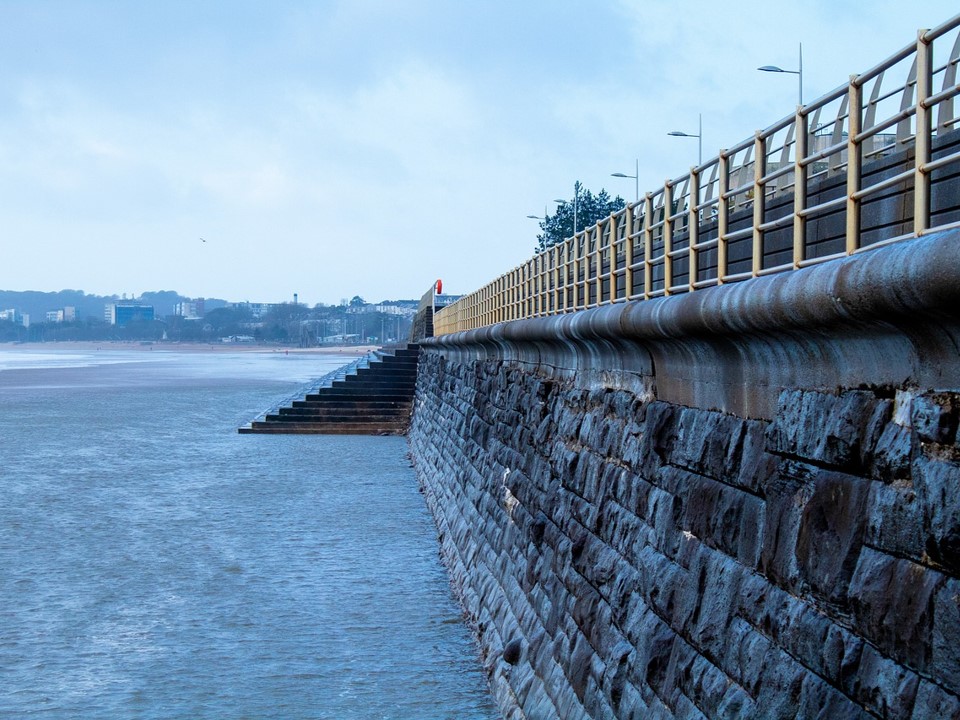
Sea wall (vertical): A strong stone wall commonly seen at seaside locations to hold waves back from roads and buildings. They erode over time and do not prevent overtopping during storms.
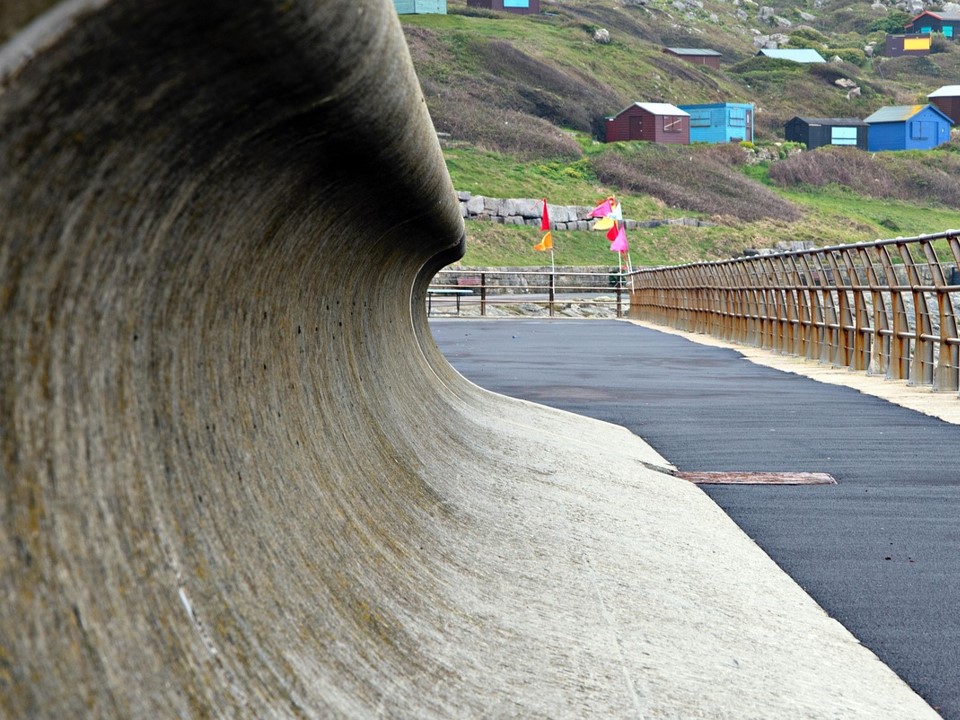
Sea wall (recurved): Similar to a vertical sea wall, but with a curved design that throws waves upward and back, reducing overtopping.
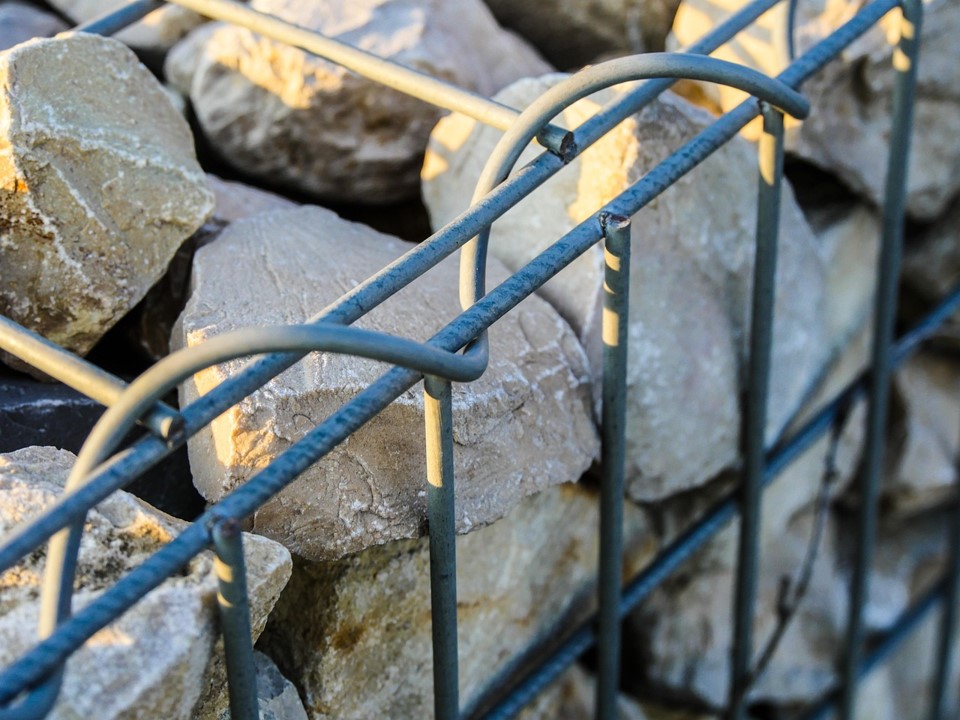
Gabions: Wire cages filled with rocks placed along a shoreline to reduce the power of waves. They need frequent maintenance as the metal wires rust.
Revetment (sloped): An angled structure designed to slow and reduce the power of waves on their approach.
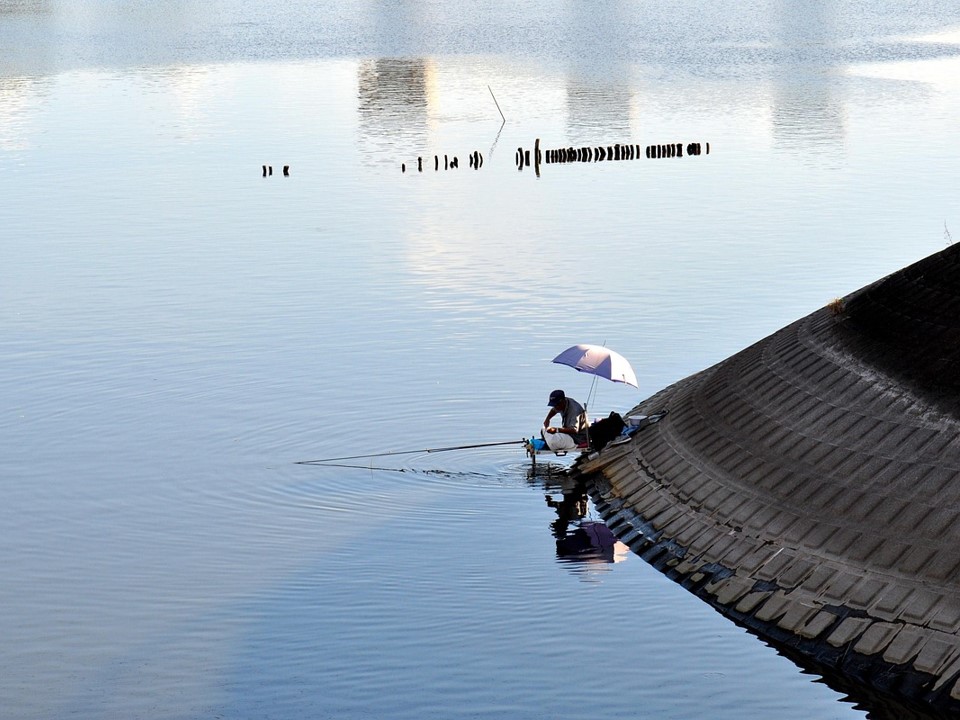
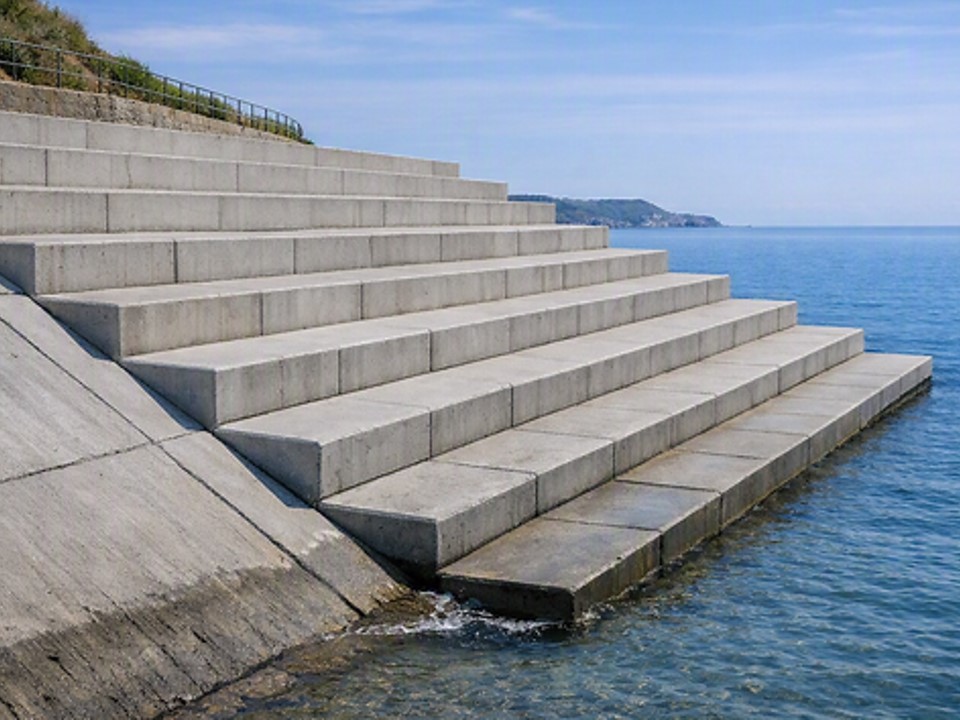
Revetment (stepped): A stepped structure that slows waves as they climb, reducing their impact.
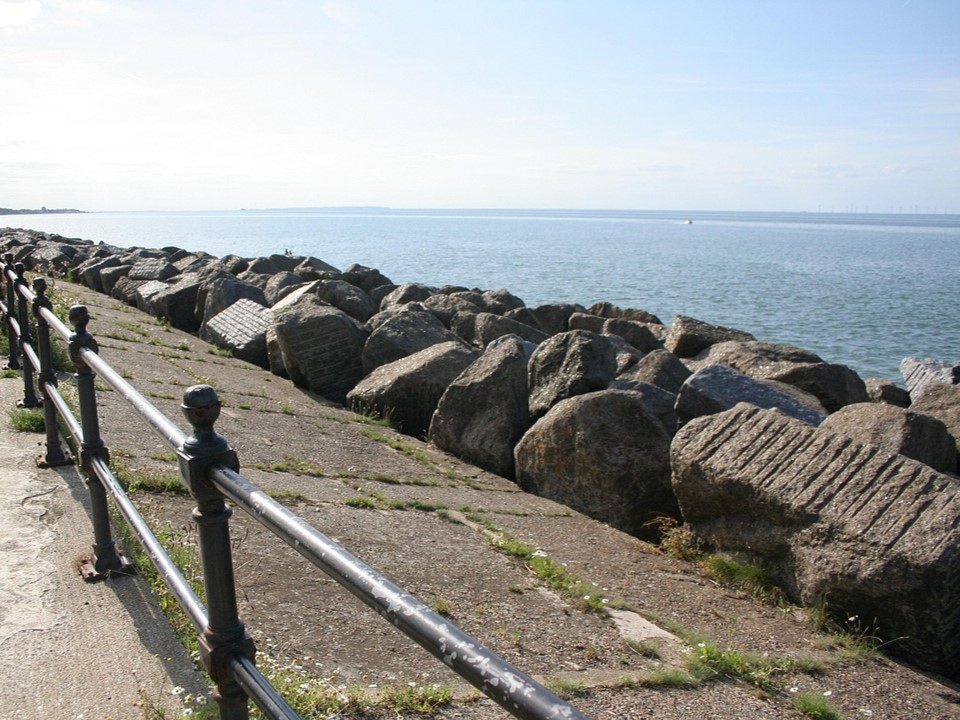
Rock armour: Large rocks placed on or near the shoreline to absorb wave energy. Commonly used to protect harbours and sea walls.
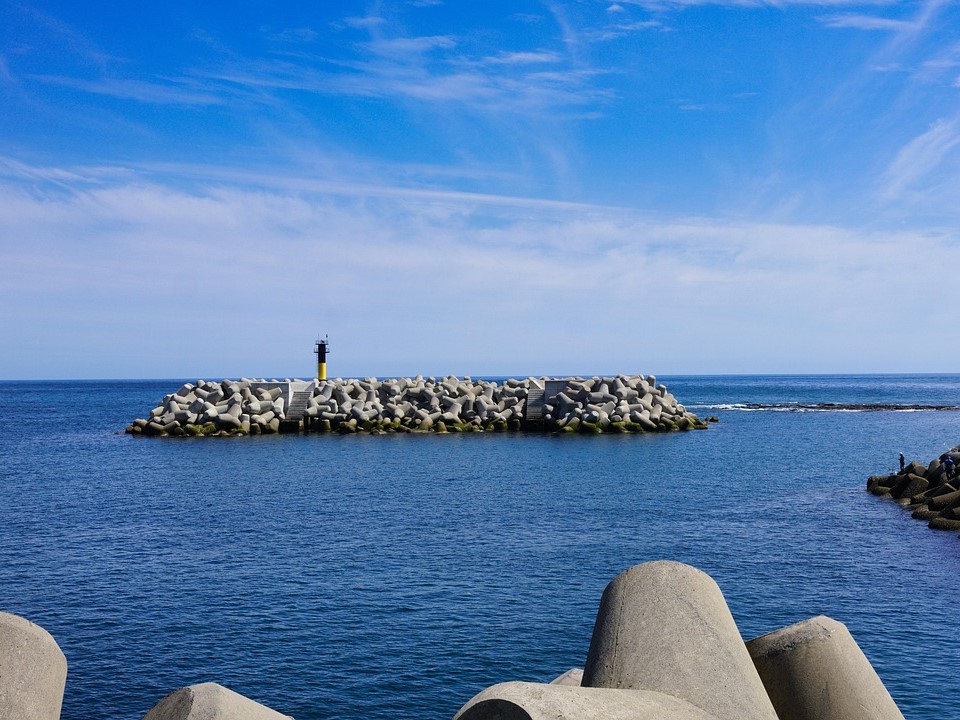
Offshore breakwaters: Man-made structures placed in the sea to make waves break earlier and therefore reach the coast with lower energy
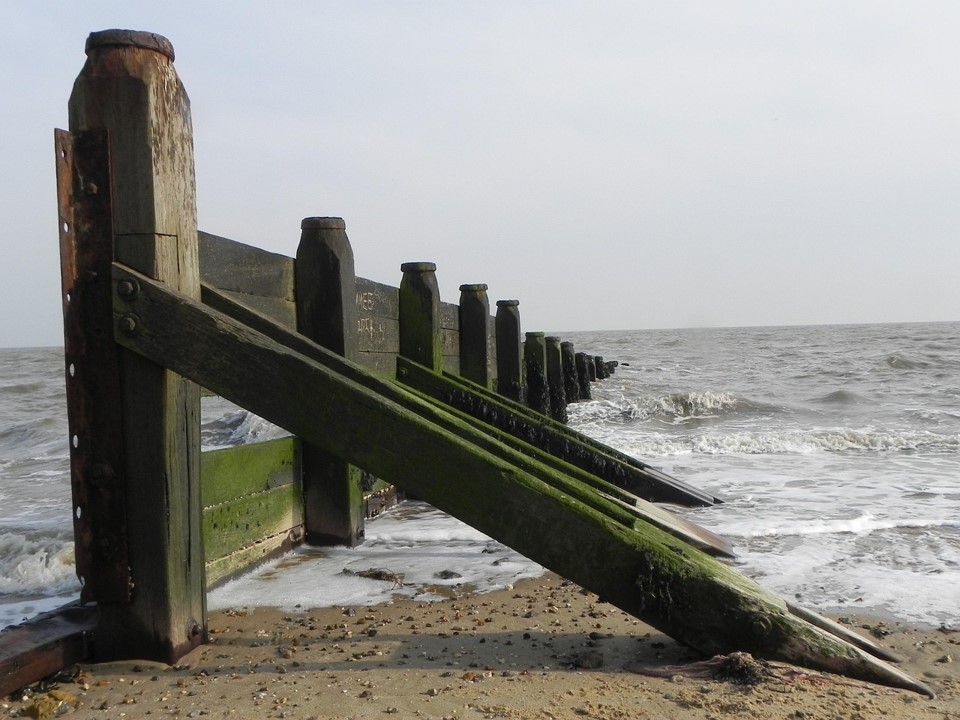
Groynes: Walls built perpendicular to the shore to reduce beach erosion and slow longshore drift.
Soft engineering:
Using natural processes to mitigate issues on coastlines.
These are cheaper and less intrusive, but they are short-term solutions that require regular maintenance and renewal.
Click on the button below to see examples of soft engineering solutions.
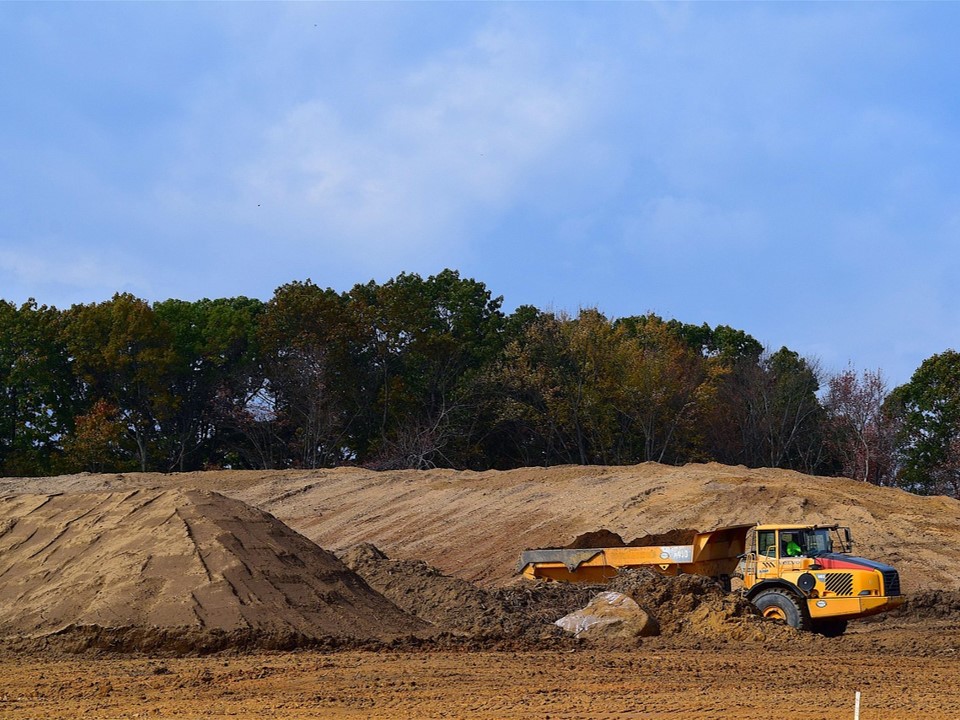
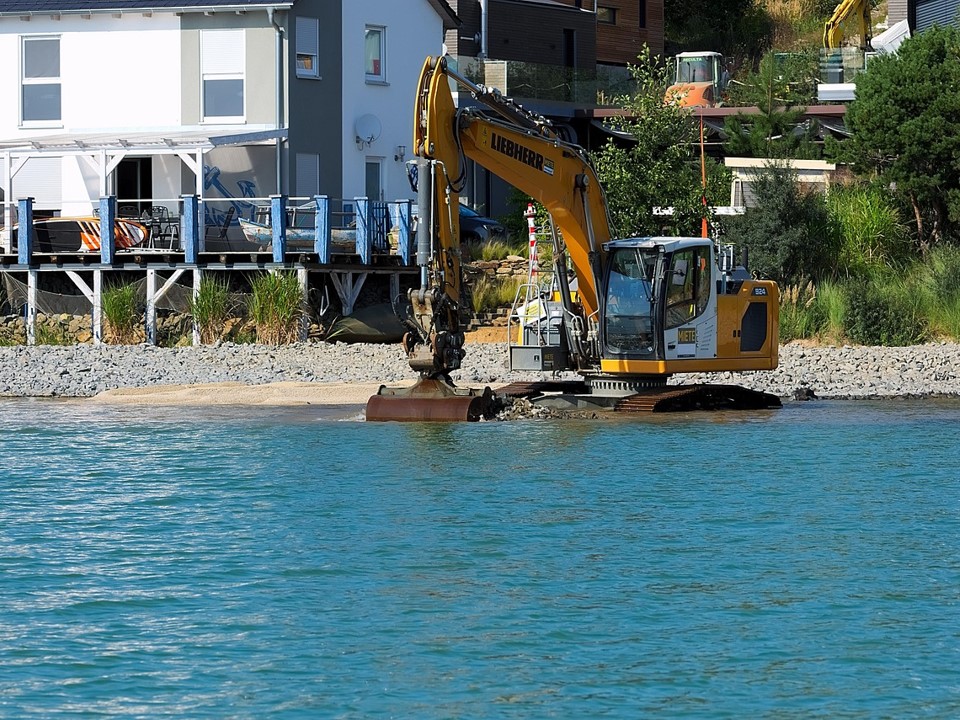
Beach Nourishment: Replenishing sand on a section of beach to replace material lost through longshore drift. This helps widen the beach and absorb wave energy.
Reprofiling: Moving sand to create a gentle slope that reduces the energy of incoming waves.
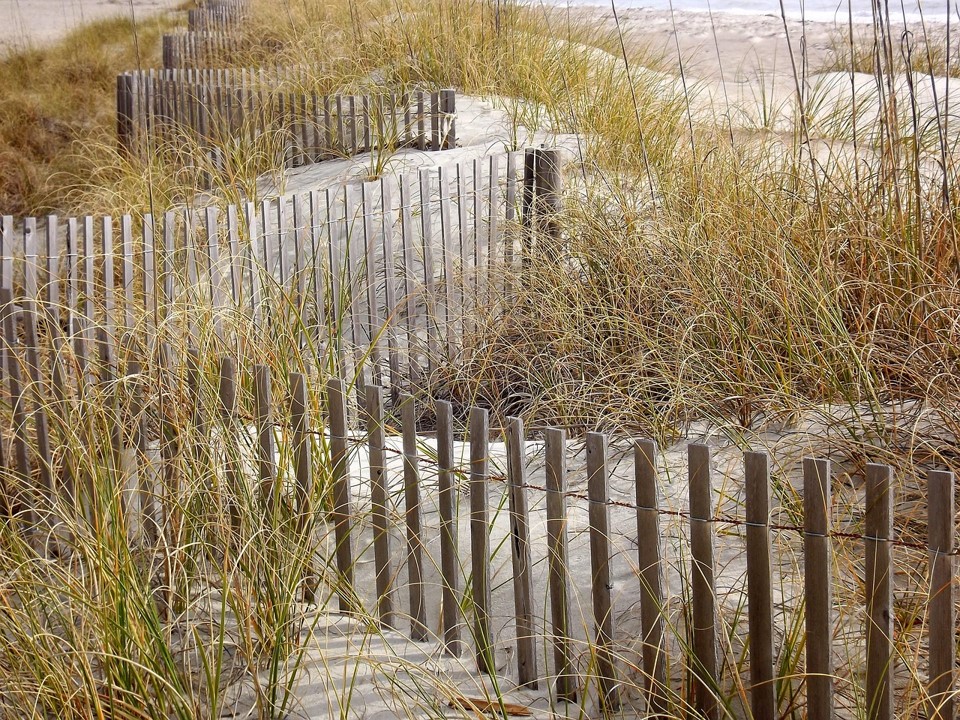
Dune Nourishment: Planting vegetation on sand dunes to stabilise them. The roots help trap sand and strengthen the dunes against erosion.
Mini Scenarios
This section will provide some example scenarios to test your learning - can you work out the best sea defence(s) in each case?
Scenario A
A coastline is being eroded quickly because destructive waves hit the shore with very high energy. The town wants a defence that will absorb wave power rather than reflect it.
Scenario B
Visitors are trampling sand dunes that protect a nature reserve. The dunes are starting to erode and collapse.
Scenario C
Longshore drift is removing sand from a popular tourist beach. The town wants to keep the beach wide for visitors.
Scenario D
During winter storms, waves regularly wash over the promenade and damage the road behind it. The council wants a defence that will reduce overtopping.
Scenario E
A steep beach causes waves to break violently at the top of the shore. The council wants a gentler slope to reduce wave energy.
Scenario F
Waves entering the harbour make navigation difficult for fishing boats. The town wants calmer water inside the harbour.
Scenario G
A narrow beach means waves hit the sea wall with more force. The town wants to widen the beach to absorb energy.
Scenario H
A caravan park sits behind a beach that is losing sand due to longshore drift. Storm waves also reach the caravans in winter.
Scenario A: Rock armour or gabions will absorb wave energy.
Scenario B: Dune nourishment.
Scenario C: Groynes and/or beach nourishment.
Scenario D: Recurved sea wall.
Scenario E: Reprofiling.
Scenario F: Breakwater (this could be offshore or as part of a pier extension).
Scenario G: Beach nourishment.
Scenario H: Groynes and/or beach nourishment with an addition of a recurved sea wall.